

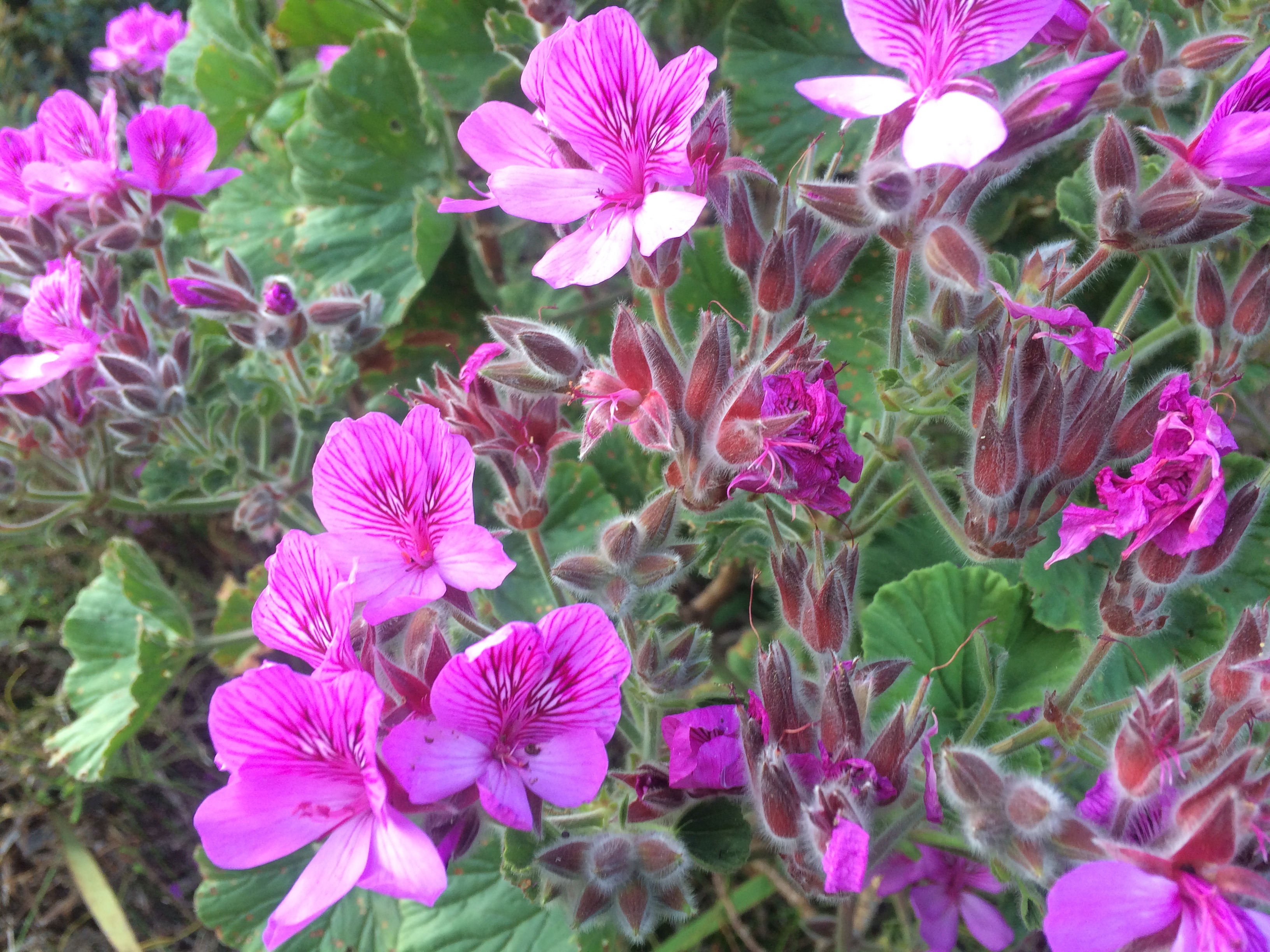
What would you like to learn?
Ingcungcu’s Eco Club Program – Nurturing young minds, creating curious custodians for nature.
Gardens begin as bare soil.
Curious minds begin with a question.
We began 2026 with: What would you like to learn?
When learners helped shape the Eco Club curriculum for the first half of the year, one theme surfaced almost immediately: to know the plants growing around them. Their names, how they lived, what they’re used for, and the relationships they shared with the birds, insects and people around them.
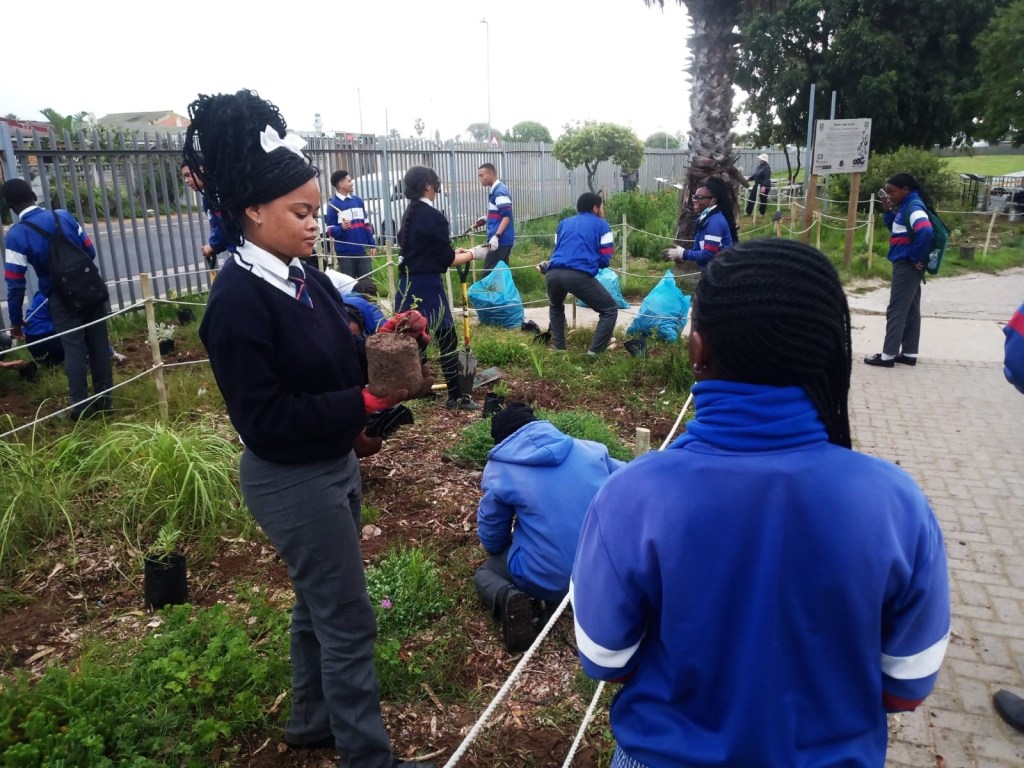
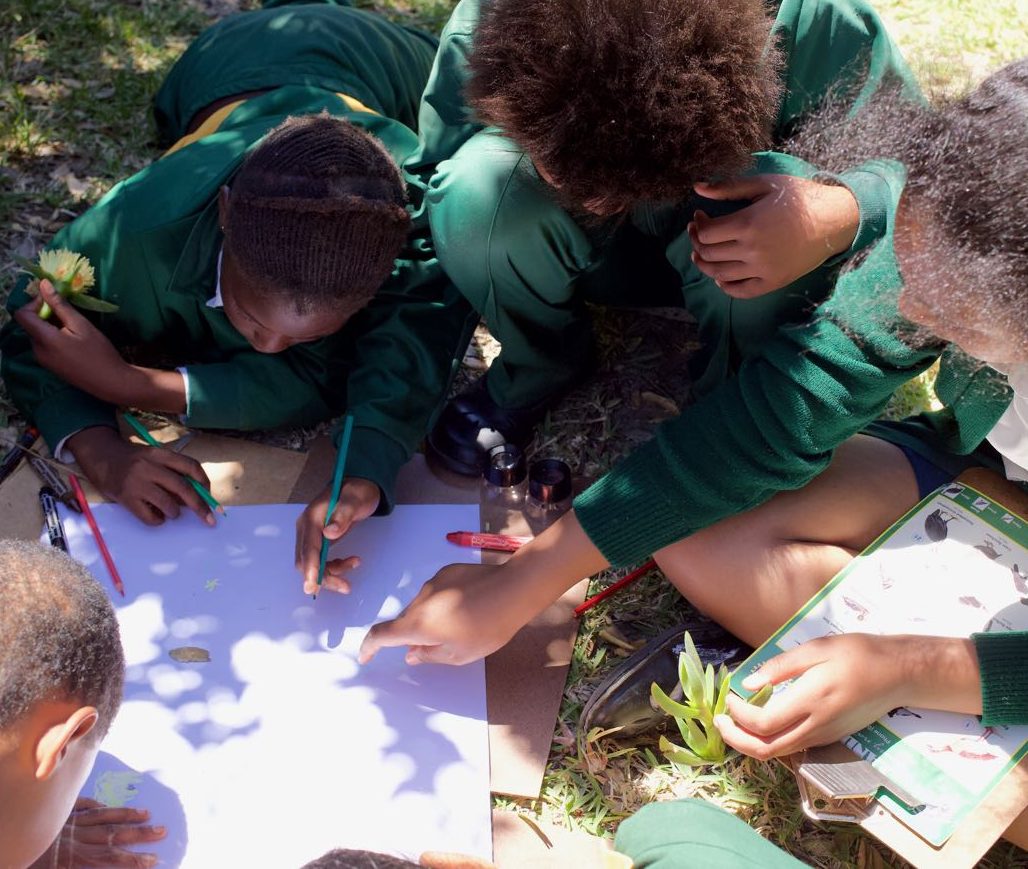
With last year’s large-scale planting now flourishing, the school gardens became the perfect place to begin. Over the course of the term, 55 after-school workshops across five schools transformed the gardens into places of keen discovery: rather than learning from pictures alone, happy little gardeners could wander the paths, inspecting stems, arguing over leaf shapes, and asking the kind of blunt, brilliant questions young minds do when handed a magnifying glass.
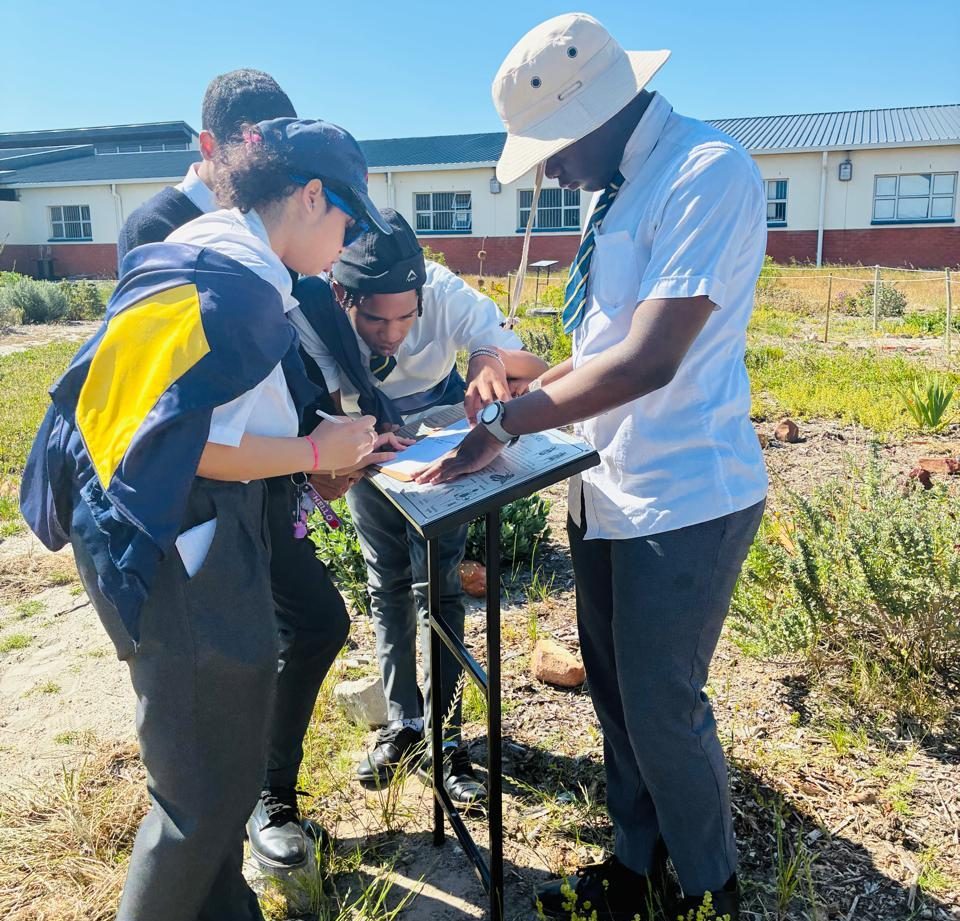
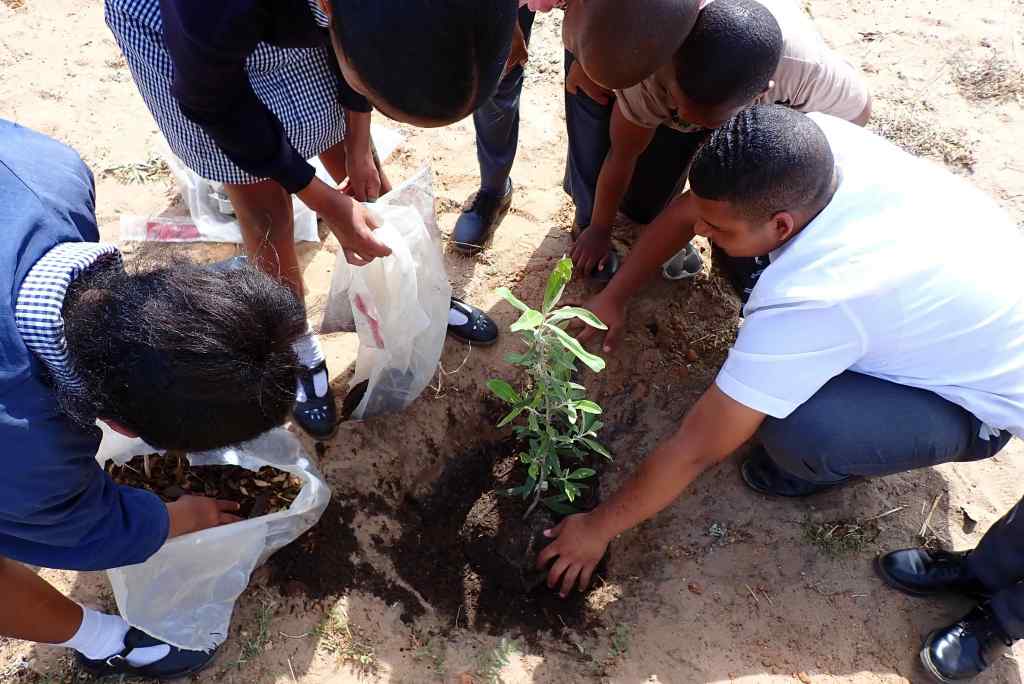
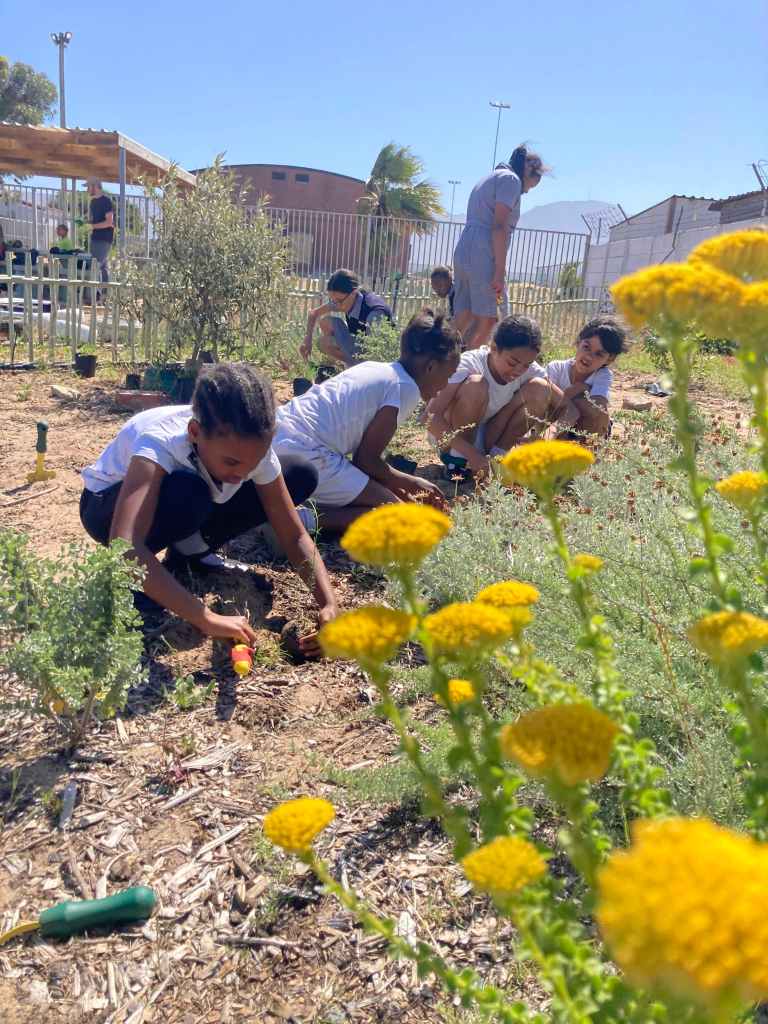
Alongside the workshops, weeding and mulching days brought the wider school community into the gardens. As in previous years, these shared days sparked new interest, with several learners joining the Eco Clubs after getting their hands dirty.
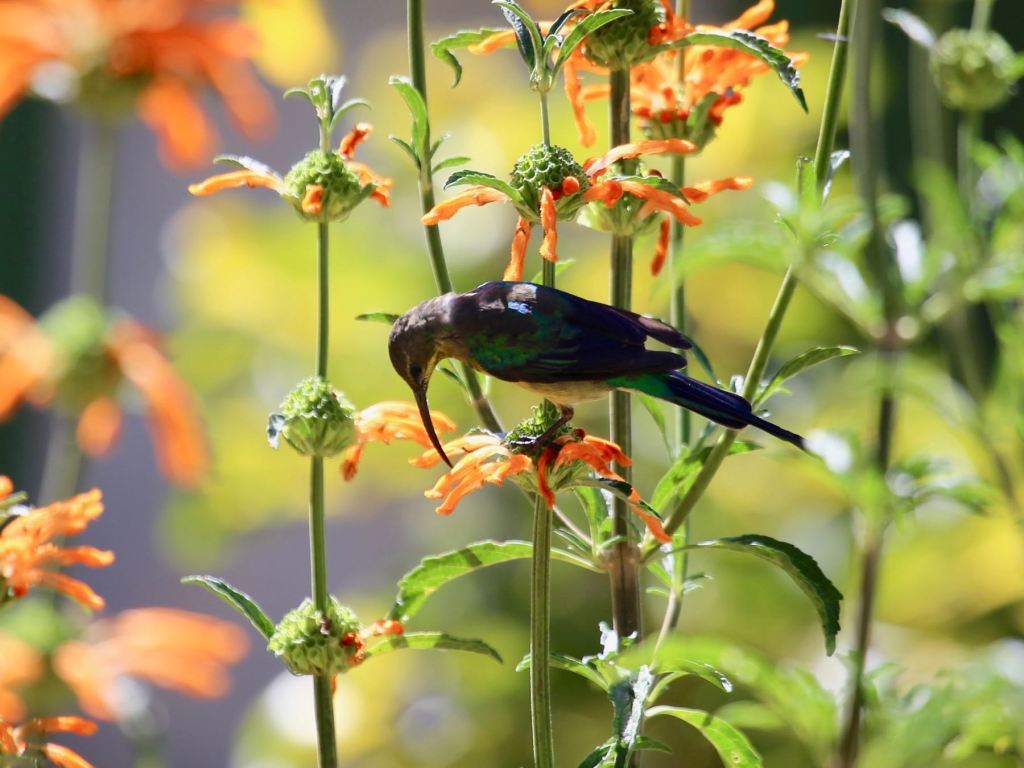
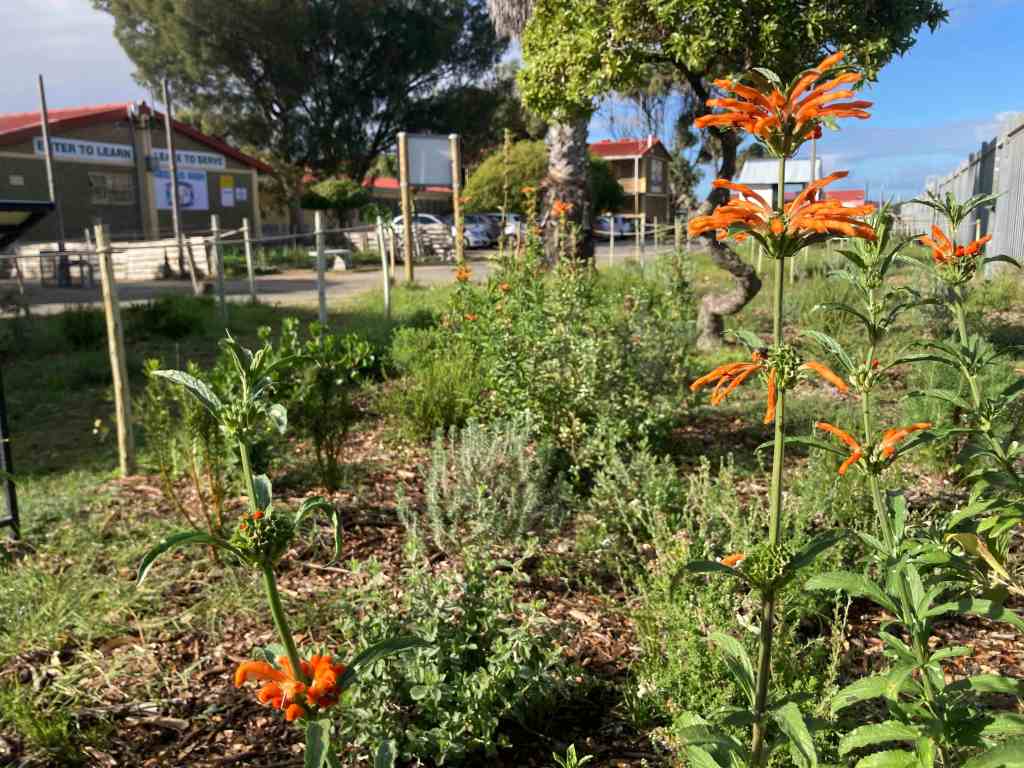
As flowering season gathered pace, so too did the wildlife. It didn’t take long for the wildedagga to become the busiest address in the garden, calling in sunbirds almost daily and offering young nature stewards the chance to watch pollination unfolding just metres away. For many, it was the first time they had seen a sunbird feeding in real life; a profound moment made even more special because it was happening in a garden they had helped to create and care for.
Following the Pollinators
Those observations opened the door to bigger questions. Why do some flowers attract birds while others attract bees? What makes each relationship specialised? Looking at wildedagga (Leonotis leonurus and Leonotis ocymifolia), golden sage (Salvia aurea) and blue sage (Salvia africana), excited explorers discovered the partnerships between plants and their pollinators.
NATURE’S SMALL MIRACLE:
Sunbirds can remember flowers
Sunbirds remember which flowers they’ve already visited.
Like bees, they can keep track of which flowers are likely to have refilled with nectar, allowing them to forage surprisingly efficiently.
Bugs, Blooms, and Byte-Sized Science
We also brought smartphones into the soil, but not for scrolling! Using iNaturalist (a citizen science platform where people identify and track local wildlife), learners turned their phones into field guides, logging local beetles, weeds, and blooms onto global maps. Suddenly, a tiny bug hanging out on a school wall in Cape Town became part of the world’s official biological record.
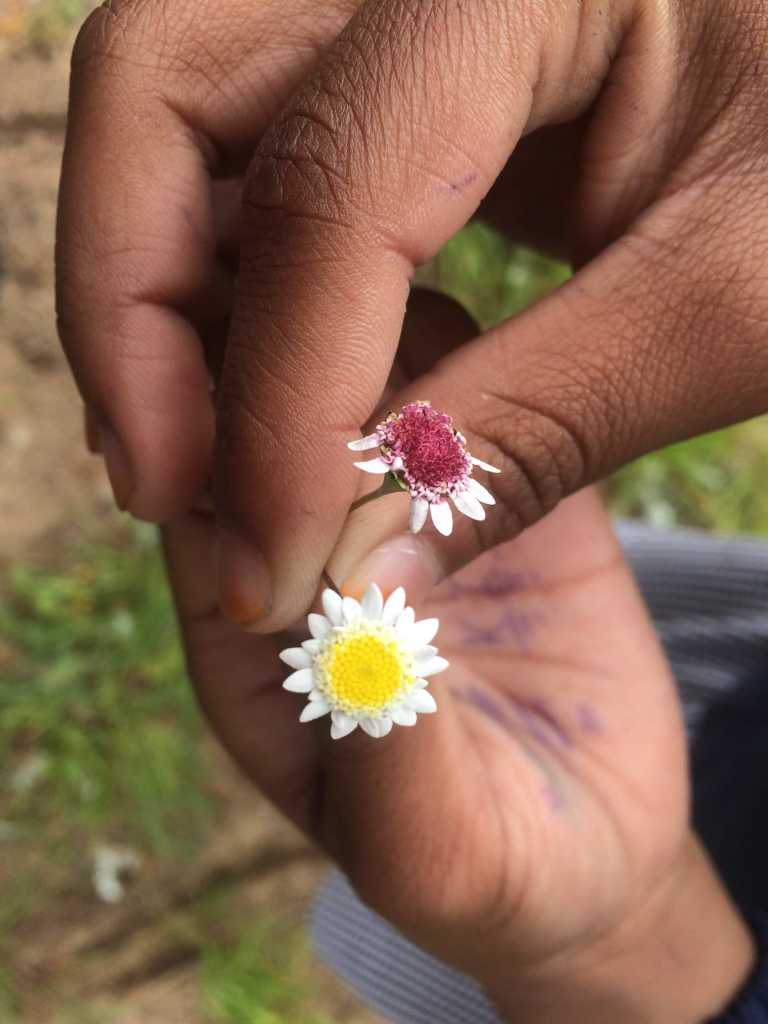
As autumn turned to winter, the focus shifted from flowers to birds. Muddy-handed gardeners began exploring the different species found within their school gardens and preparing for upcoming field trips, discovering how diet, habitat and behaviour weave birds into the wider ecological story.
Beyond the School Gates
Since the beginning of the year, Ingcungcu’s Eco Clubs have had four field trips, venturing into mountains, wetlands, botanical gardens and nature reserves!
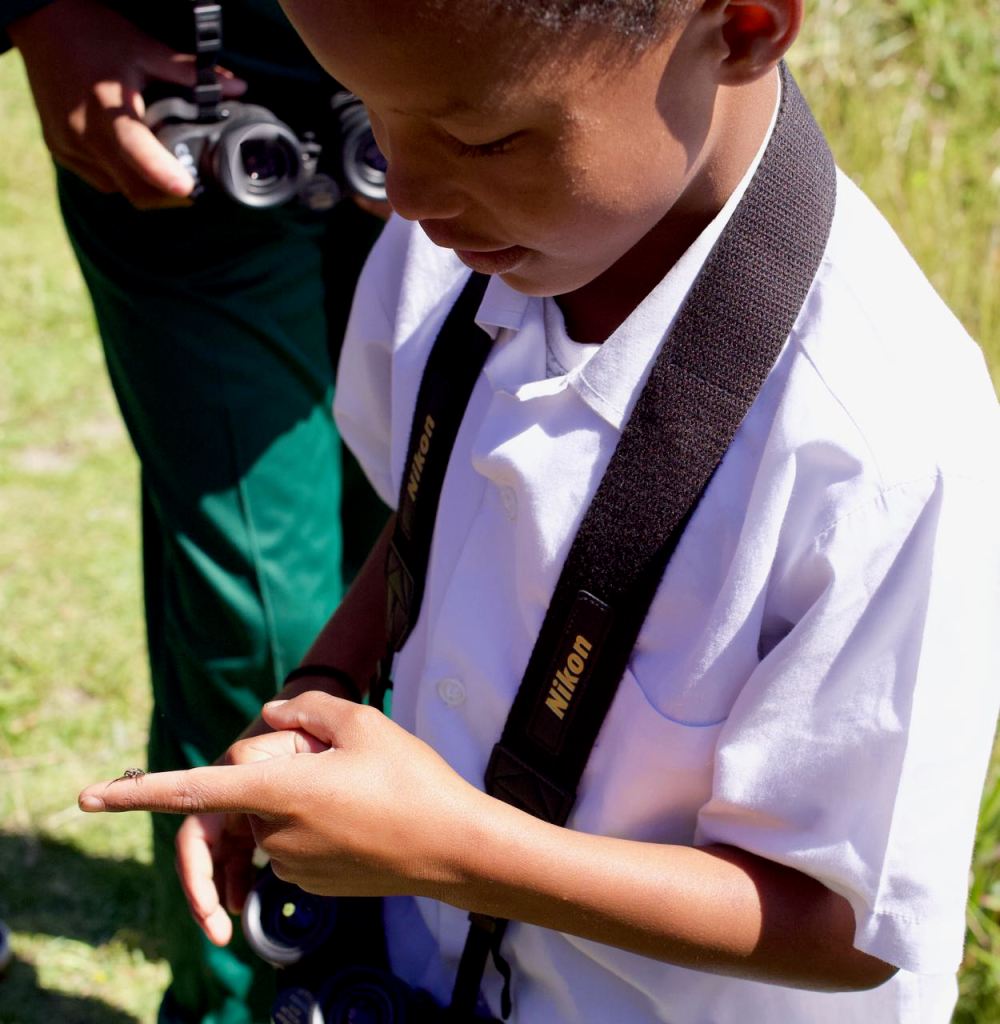
By now, the kids didn’t really bother opening field guides to figure out who was who; they already knew the regulars by heart. The gardens had turned into a space for wandering and noticing, with delighted squeals whenever a bright wing flashed past, or “ooh!”s as an ant wrestled a beetle leg through the dirt. What started as an exercise in learning bird names had turned into an admirable habit of actually paying attention.
Misty Mountains
A hike up Constantia Neck with Steenberg High School became an intrepid introduction to the peak of Table Mountain. Battling icy winds and numb fingers, learners climbed into the clouds, watching familiar streets disappear beneath a blanket of mist. Cold noses. Wet socks. But no complaints!
All Things Bright and Beautiful
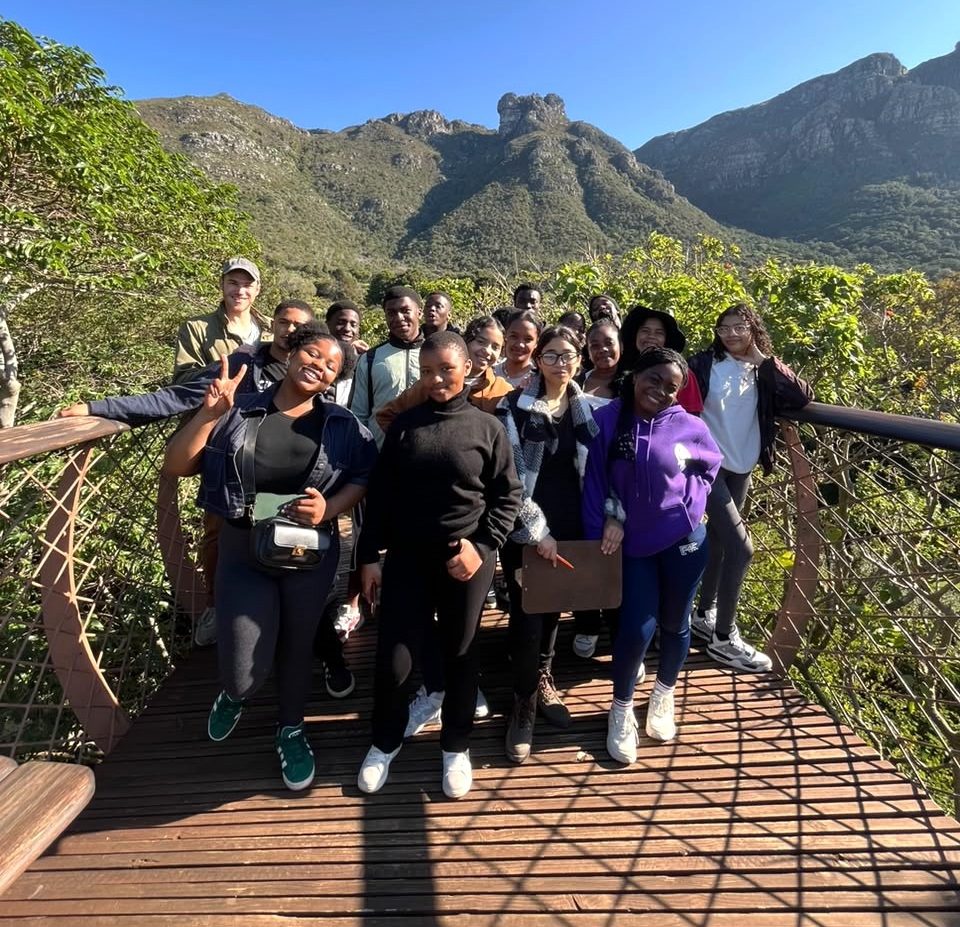
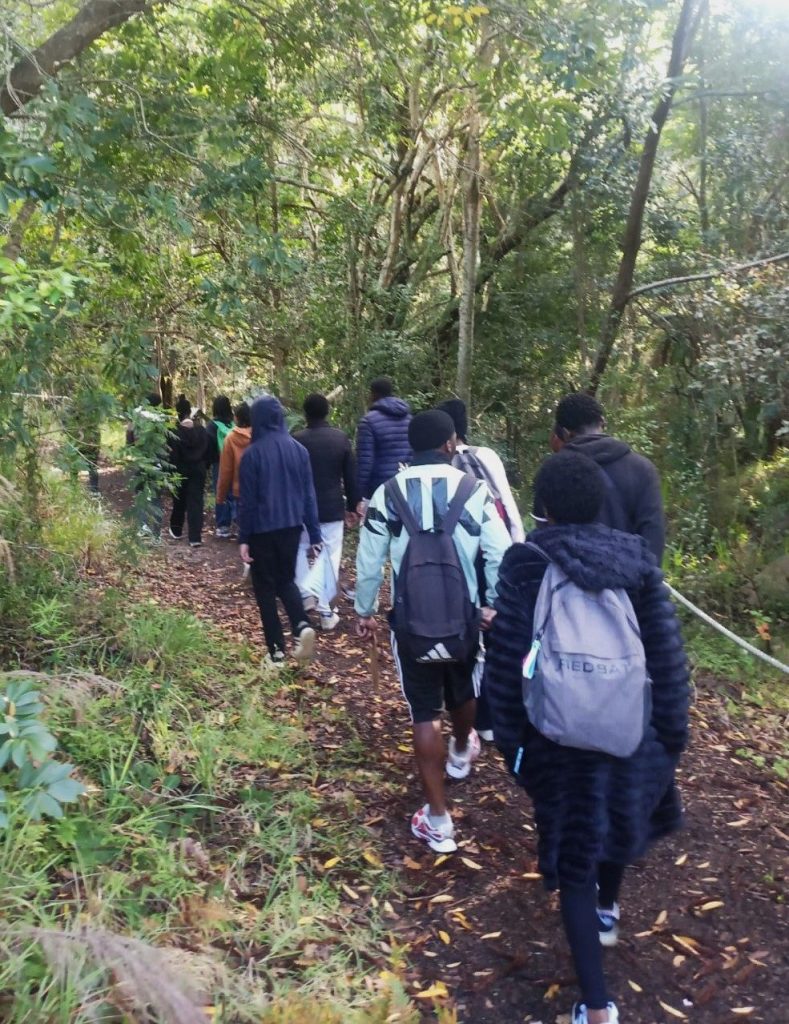
A visit to Kirstenbosch hosted by the Gold Fields Education Centre (and generously supported by our partners at the Kirstenbosch Branch of the Botanical Society of South Africa) offered students from Sibelius High Eco Club the chance to swap blackboards and concrete halls for a towering canopy of living green. Proteas held their flowers like open hands, erica bells trembled in the breeze, and hundreds of other species stepped out of the pages of textbooks and into vivid, living colour. Plants that had once existed only as names suddenly had texture and scent.
Where the Birds Are
Once students had begun recognising plants as living communities rather than isolated species, it became impossible not to notice everything else that depended on them. Attention shifted naturally from flowers to feathers as the search for birds became another way of reading the landscape.
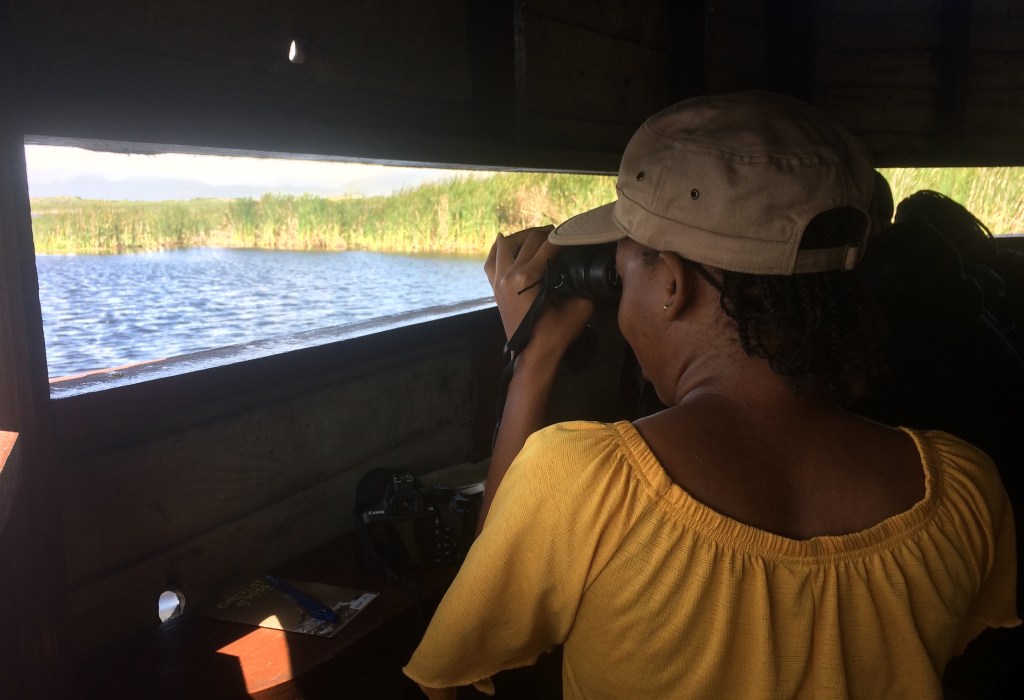
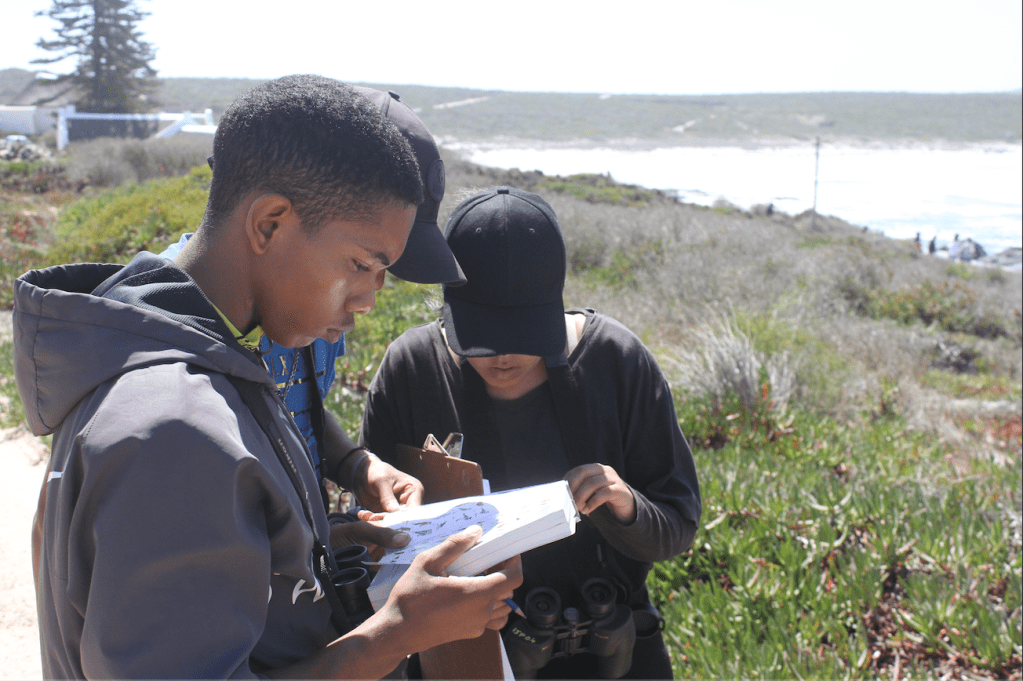
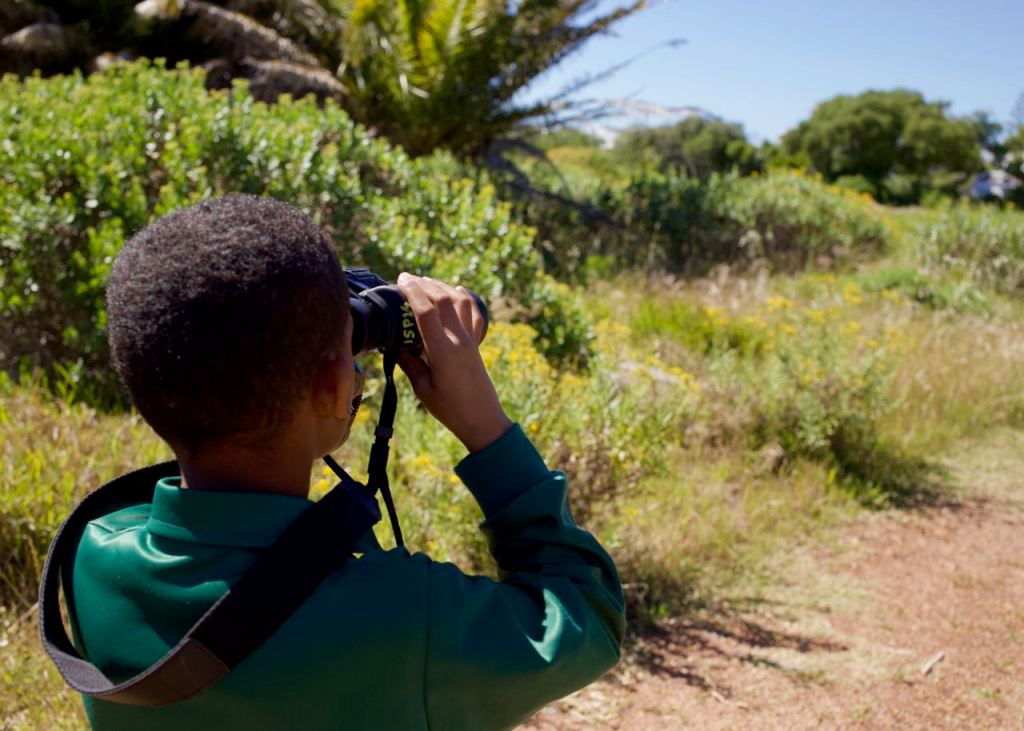
At Rondevlei and Zandvlei, learners from Crestway High and Harmony Primary exchanged busy classrooms for reed beds ripe with birdsong, binoculars in hand and notebooks filling with discoveries. Every ripple, wingbeat and unfamiliar bird call became another curiosity: Who’s that? What is it doing? Why does it live here?
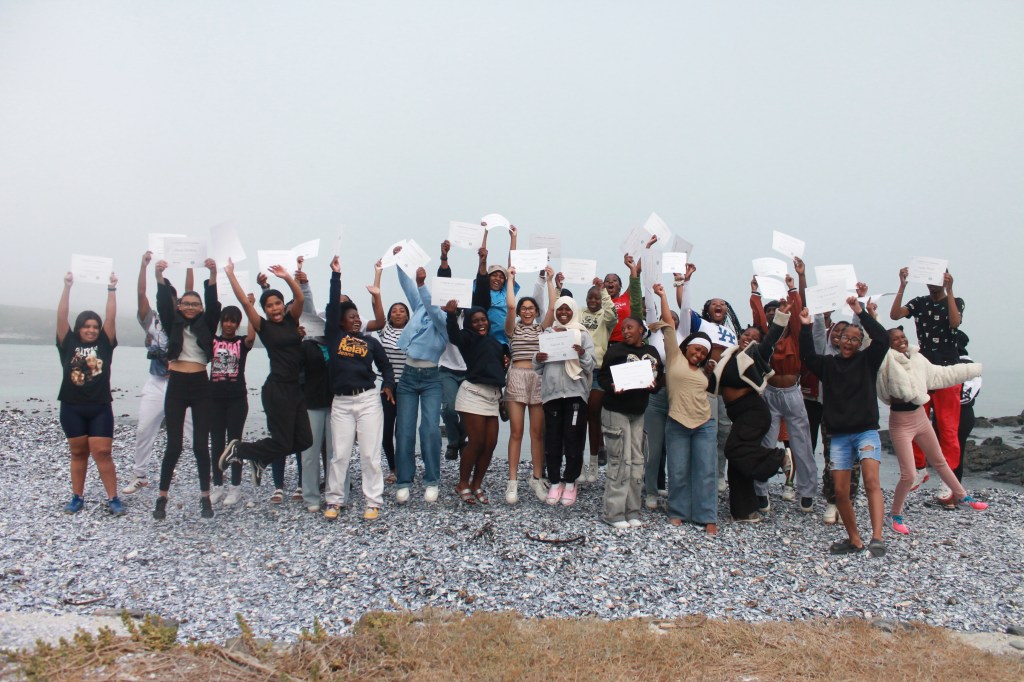
The season ended with another adventure at Bokbaai Nature Reserve, where Ingcungcu joined the Cape Bird Club to facilitate birding activities during Floreat Primary’s overnight camp.
Out in the coastal scrub, everything the kids learned in the schoolyard clicked into gear. They were tracking real-time movement across the dunes, picking up on the distinct, jerky hover of a sunbird versus a sugarbird’s longer dive, or reading the landscape to guess where a species was hiding before it even called. The names they’d memorised back at school weren’t just labels anymore; they were keys to reading the wild.
Into the Sun
Over the coming months, we’ll keep polishing the Ingcungcu curriculum so we can share it with teachers, neighbours, and anyone wanting to bring life back to their own communities.
As we’re sure you can tell, the lessons here aren’t just about plant species or bird names.
We want to raise kids who actually see. Kids who notice a bee hard at work, a sunbird flashing through fuzzy fynbos flowers, and the tiny interconnected web of relationships that keeps an ecosystem alive.
We want them to learn that caring for nature isn’t just a science project or something saved for distant game reserves. It’s about building real practical skills, forming lasting connections, and taking ownership of the places where their own shoes hit the dirt.
If this is the kind of future you’d like to help grow, we’d love to have you alongside us!
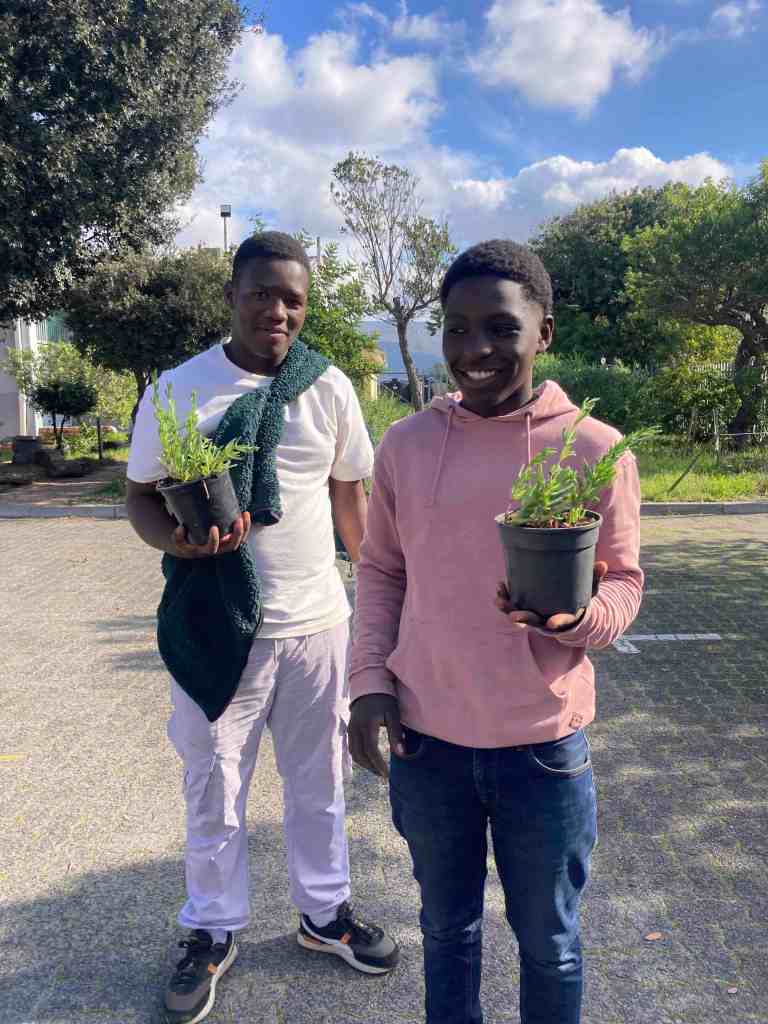
Help us plant another indigenous garden, share your knowledge, or simply share our story.
Thank you for being part of our journey. You’re helping to cultivate something far beyond birds and flowers: a generation who knows how to notice, care, and belong in the natural world around them.


Leave a Reply