
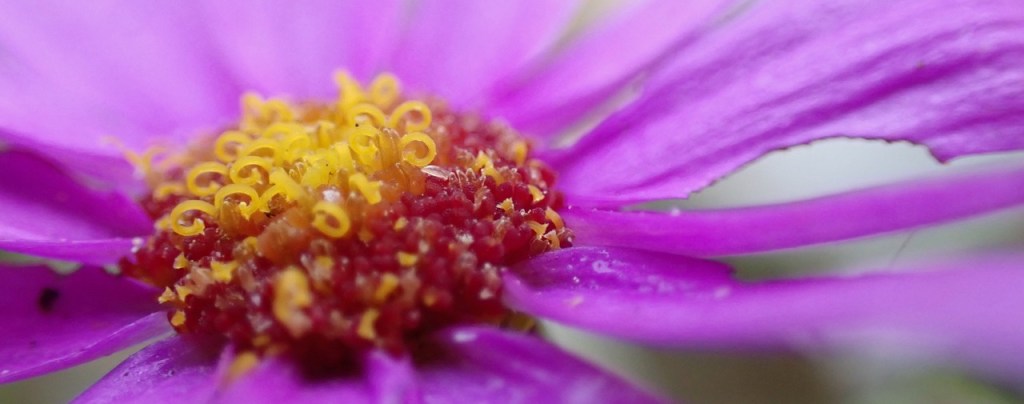
“Ingcungcu is unique in that it is based on scientific research, which continues to determine the ecological and sociological directions of the work.”
Prof Sjirk Geerts
Our work is grounded in research and focusses on planting gardens, providing creative and immersive experiences in nature, and inspiring young minds and hearts to care for their natural environment.
Ingcungcu Sunbird Restoration is based on three pillars which define the key aspects of the organisation – Research, Education and Rehabilitation. These three pillars form the structure for the organisation’s integrated approach to restoring migration routes for nectar-feeding birds. Underpinning these pillars is the belief that building strong collaborative and long-term partnerships is the foundation for ensuring sustainability and success.
Research
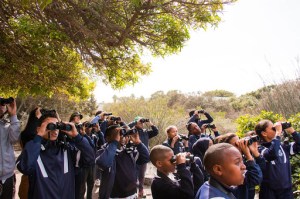
Bird Monitoring
To monitor the success of the gardens, bi-monthly bird counts are conducted at each garden, contributing to a long-term data set of species abundance and diversity. This data forms an integral part of the scientific research that underpins our work
Education
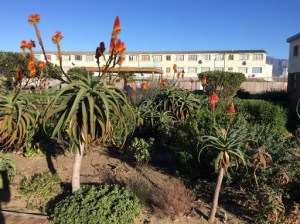
Gardens & Workshops
We are currently working with eight schools in Steenberg and Lavender Hill, planting indigenous fynbos gardens and running our Eco-Club program, which provide ‘filling stations’ for birds and outdoor classrooms for learners. Learners and teachers are engaged in regular hands-on workshops which focus on planning and design, soil preparation and planting, plant identification and creatively exploring the wonders of fynbos.
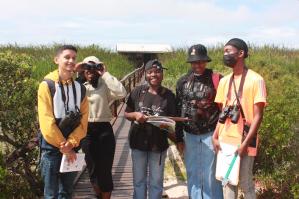
Field Trips
By taking school children on field trips to local nature reserves, we aim to inspire curiosity, facilitate learning and foster a strong connection to the wonders of nature. Through fun, creative and immersive activities, learners are exposed to the rich biodiversity on their doorstep.
Rehabilitation
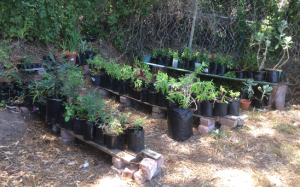
Fynbos Propagation
Access to locally indigenous plant material is essential for the ongoing expansion and success of our work. While we work closely with our partner nurseries who currently provide much of the required plant stock, we have also begun to grow and establish a small nursery, in which we are propagating various species from seed collected in the school gardens.
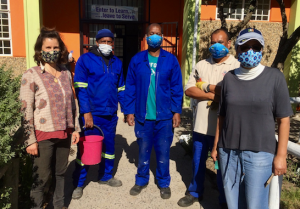
Building Partnerships
As a small organisation our key strength is in our growing network of partners – schools, local businesses, organisations and academic institutions. Thus establishing a sustainable model for long-term continuity and expansion. Through these partnerships, we are able to broaden our impact, build a network of support, and provide scientific advice to a community of initiatives working towards the common goals of nurturing education, rehabilitating urban landscapes and connecting communities to nature on the Cape Flats.
 Connecting Plants, Birds and People